
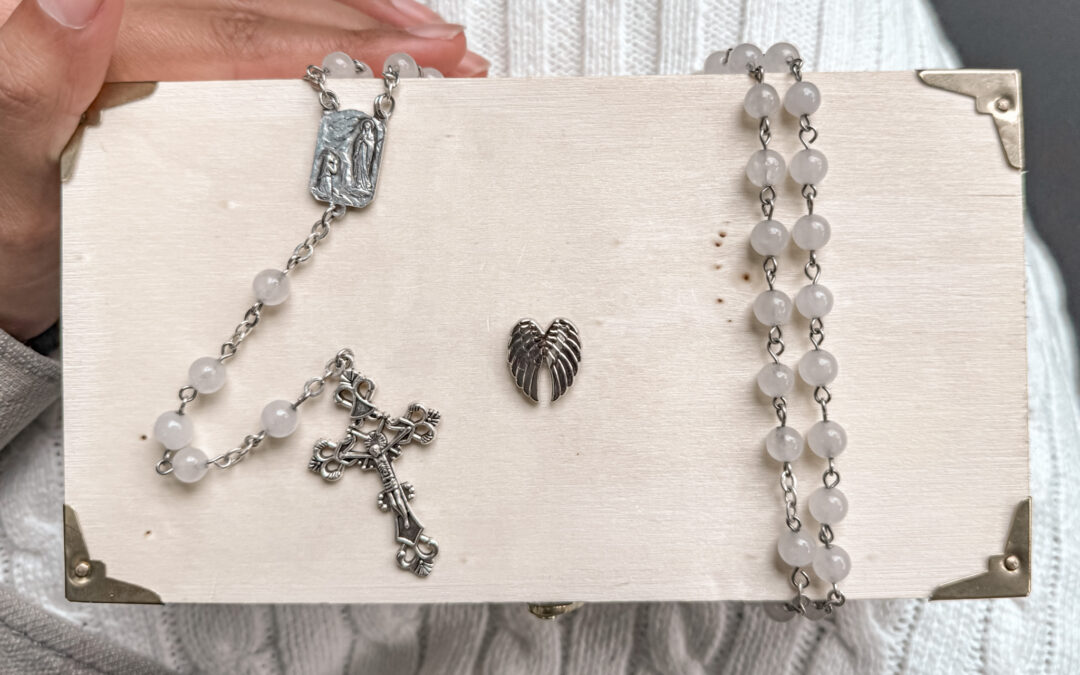
Having been trying for a baby for over 4 years, last winter my wife and I experienced our first pregnancy, and with it, our first pregnancy loss. Following several days of pain, my wife was diagnosed with an ectopic pregnancy in week seven, and was rushed for emergency surgery which among other things – ended our hopes of bringing the baby to birth.
I have come to learn that pregnancy loss is nothing unusual; a huge number of parents suffer with it, often more than once. It is, however, rarely talked about in everyday life. Much like the wider subjects of death and grief themselves, this is something often hidden under the surface of everyday human existence, not discussed or even sometimes recognised.
For parents who had been wanting, trying and hoping for a successful pregnancy for so long, the loss of a baby (even as early as 7 weeks into pregnancy) is a very raw and disturbing kind of bereavement. Hopes are trashed. Dreams are broken. Often, too, there is a level of guilt felt by the parents: “Did I do something wrong?” “Is my body broken?” “Is it all my fault?” “Did I not support my pregnancy partner well enough?” This emotional burden is coupled with the physical recovery often needed after a difficult miscarriage and/or surgery.
I learned that people often don’t know how to respond in the face of your grief when you lose a baby to miscarriage. Should I say something? Should I say nothing? Would it be supportive to say you can always try again? Or to reassure them not to worry, there’s still time. With us, some people were fantastic and understood we just needed loving presence and kindness, but others were clearly so bewildered that they simply said nothing.
I learned, too, that I myself often didn’t know how to be open about how I felt. I was often anxious that people would think I was mad for feeling this way over such an early pregnancy. I found myself worried that people – depending on their private positions on pregnancy loss, the pro-choice debate, and having children in general – would not understand how I felt or why I was so sad. It is a welcome sign of the changing times that society is becoming more accepting of the grief and loss parents feel when they lose a child to miscarriage. It is now possible to get an official certificate recognising the pregnancy and the life of the little one, which is a huge comfort to many bereaved parents.
For my wife and me, we had complete conviction that the little one we had lost was a full human life, loved already by us. We are lucky enough to belong to a very supportive church community who share our beliefs on this. We were able to have a simple but full church funeral for our little one, at which the priest preached about how the witness of giving the little one the full funeral of any person highlights just how valuable and dignified every human life is. For us, this day was extremely comforting and healing.
One interesting thing I was not expecting, though, was the way in which the funeral touched some of the other people who attended. Several of our older female friends from church commented that they too had lost babies in their younger days, but that no funeral was offered and it was never really discussed again. It was clear that attending the funeral had also helped them address and be open about the very old and unhealed wounds of their own baby loss.
If you know someone who has experienced pregnancy loss, don’t fall silent. As with any grief, the acknowledgement of those around us that we are living through hell and you are thinking of us can make all the difference at such a time of emotional need.
I encourage anyone who has suffered pregnancy loss – for any reason – to be at peace with the grief, confusion and sadness that you may still feel. We have such love for our children, and this does not extend only to those children who come to full term and live a healthy life. There is nothing wrong with how you feel. You are not being over-the-top or unusually sensitive. And – most importantly – you are not alone.
Recent Comments